Why Full File Preview Matters in a Safe User Friendly Photo Recovery Software Program
Sep 29, 2026

Hong Kong, Hong Kong S.A.R. Sep 29, 2026 (Issuewire.com) - Digital storage failure often disrupts critical creative workflows without warning. For photographers, filmmakers, and studio managers, the sudden disappearance of high-resolution images or RAW files creates immense operational pressure. Visual assets capture irreplaceable historical or commercial moments, making their deletion highly stressful. Consequently, media professionals quickly search for an effective diagnostic utility during an emergency. Amid the chaos of data disasters, choosing a reliable, safe User Friendly Photo Recovery Software Program (https://www.xappset.com/xrecovery/) becomes paramount for safeguarding digital assets. However, the software market often presents confusing choices that exploit user desperation. Many buyers fall into the trap of purchasing software based entirely on brand prominence or aggressive marketing promises. This emotional procurement method often ignores a critical rule of digital asset restoration. A user must verify file structural health before executing a commercial transaction. Without upfront empirical verification, individuals risk spending substantial funds on non-recoverable digital ruins. Therefore, analyzing software evaluation systems provides the objective framework necessary to eliminate financial waste during recovery actions. The Mirage of the Thumbnail: Deconstructing Industry-Standard Feature Locking Many popular data extraction tools employ a design tactic known as feature locking. Under this operational model, the free trial option only reveals basic file parameters like file name, size, and modification date. Sometimes, the interface shows a tiny thumbnail image to convince the customer of recovery success. However, a significant technical illusion exists behind this visual summary. Operating systems and digital cameras automatically generate small, cached preview images within the file metadata, known as EXIF data. When a storage block suffers corruption, this tiny embedded header often remains entirely intact even if the primary pixel data payload is permanently destroyed. Legacy data recovery applications exploit this metadata persistence. They display the cached thumbnail in the search results window while hiding the underlying structural fracture. Consequently, users purchase an expensive subscription license assuming their full-resolution image is fully retrievable. After payment unlocks the export function, the software writes a broken, corrupted file to the destination drive. This frustrating outcome demonstrates why partial visualization systems represent an unsafe method for evaluating utility software. Restricted user interfaces often indicate that the underlying code lacks the capability to verify sector-level alignment. True transparency requires a system that parses and reconstructs the entire sequence of binary blocks before asking for financial confirmation. Empirical Integrity Verification: Full Rendering as an Objective Trust Metric Overcoming this information asymmetry requires an advanced approach to real-time image rendering. To guarantee true recovery, an engine must decode the complete raw byte sequence within the system memory before writing files to a disk. This technical validation process forms the core design philosophy of XRecovery. Engineered by the software group at Xcel Labs Limited, this Windows-based utility processes binary streams entirely within a local, read-only volatile memory workspace. The application contains native image codecs that reconstruct complex graphic formats, including JPEG, PNG, and professional camera RAW structures. When an operator triggers a scan, XRecovery executes deep signature carving across the raw storage sectors. If the engine locates a fragmented photo, it attempts to stitch the separate cluster blocks back into a continuous stream. The software then renders the full-resolution file inside the preview pane. This full-screen rendering provides indisputable mathematical proof that the scanning engine successfully completed the structural reconstruction. If the image displays perfectly without distortion or grey blocks, the file is entirely healthy. This level of technical candor shifts the balance of power back to the user. By utilizing the specific engineering assets developed by XRecovery (Xcel Labs Limited) (https://www.xappset.com/about-us/), operators inspect the actual health of their media assets without relying on blind corporate promises. Mitigating Financial Risk: A Pragmatic Decision Matrix for Modern Creators Implementing a strict confirmation-before-purchase system dramatically reduces the financial risks associated with IT troubleshooting. Modern creative studios and enterprise media departments require predictable expense structures alongside data protection. Instead of demanding upfront capital, a transparent software utility allows teams to build an empirical decision matrix. The downloadable edition of the utility provides a generous two-gigabyte complimentary data restoration allowance. This baseline tier allows individuals to complete diagnostic scans, execute full-screen image previews, and save critical files without inputting financial credentials. When a studio faces a large-scale data emergency that exceeds this free allocation, administrators can review the available data recovery plans (https://www.xappset.com/xrecovery/plans/) to select an appropriate commercial tier. This tier structure includes clear monthly and annual choices, avoiding hidden upgrade charges or recurring payment traps. Furthermore, the local architecture operates one hundred percent offline. This offline posture guarantees total data privacy for sensitive corporate projects or proprietary commercial photography. Because the application never transmits data packets to external servers, organizations remain in complete compliance with local data protection regulations. The entire reconstruction cycle takes place locally, ensuring that confidential corporate assets remain completely secure from external observation. Elevating Industry Standards: Scaling Transparent Software Mechanics into Synergistic Partnerships The modern technology marketplace increasingly demands clear performance over aggressive advertising campaigns. As administrative teams work to optimize their software expenses, the reliance on high-priced legacy brands continues to fade across the industry. True utility centers on observable outcomes, data safety, and honest cost models. The developer team behind XAppSet consistently prioritizes functional performance over marketing exposure, directing corporate investments into algorithm optimization and file system compatibility. This strategy offers an ideal operational model for system integrators, media enterprises, and independent professionals who require dependable data salvage pipelines. Incorporating highly efficient, transparent software tools allows organizations to protect their digital content libraries while maintaining strict fiscal management. Ultimately, a full file preview serves as the definitive boundary between hollow promotional claims and authentic software engineering. Choosing utilities that prioritize user control over upfront financial transactions ensures long-term operational resilience. For organizations and creators seeking advanced data recovery integration and secure desktop utilities, detailed information remains permanently accessible through the primary developer workspace at https://www.xappset.com/.
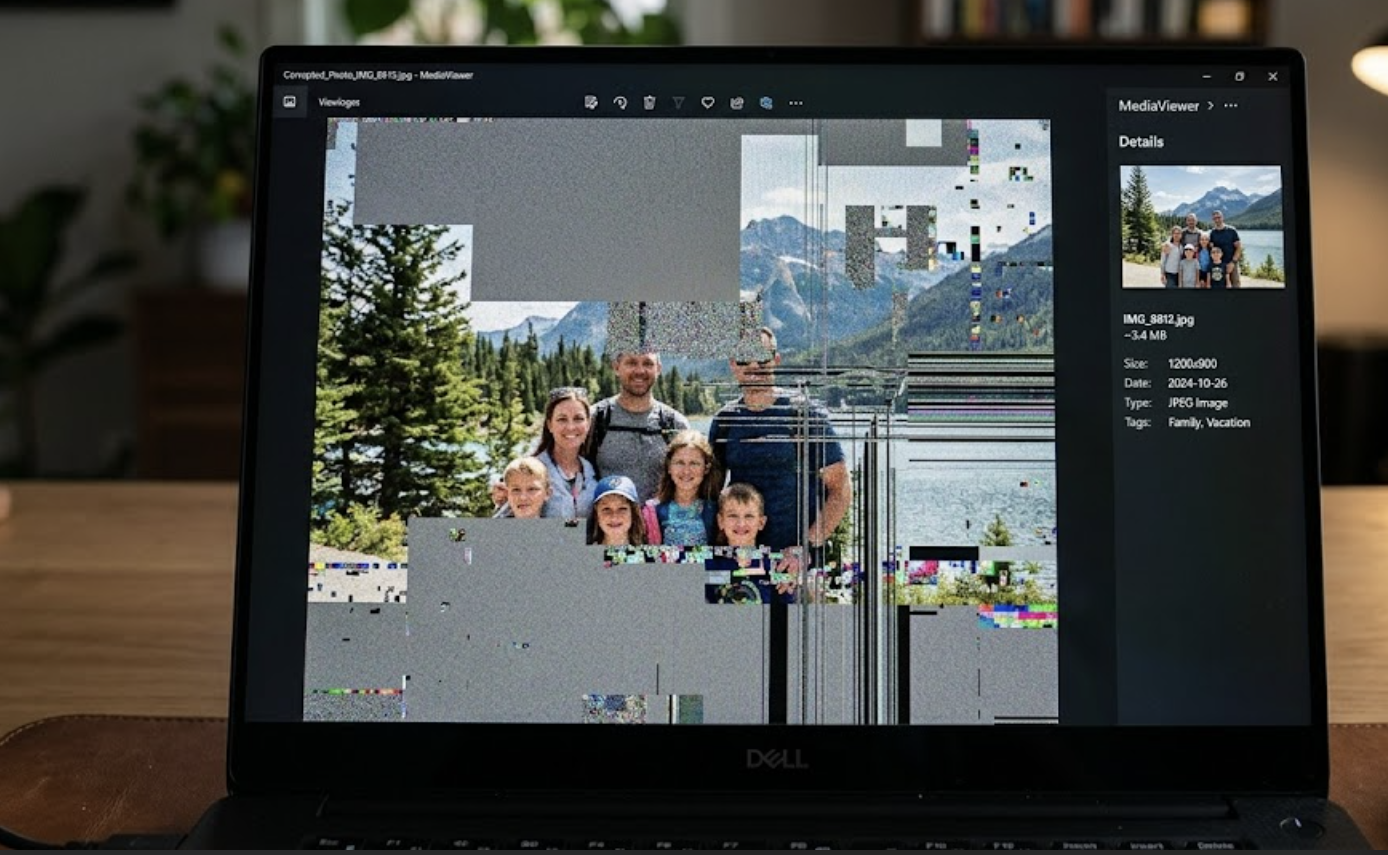
Source :Xcel Labs Limited
This article was originally published by IssueWire. Read the original article here.











YOUR NEWS, OUR NETWORK.
Do you have Great News you want to tell the world?
Be it updates about your business or your community, you can make sure that it’s heard by submitting your story to our network reaching hundreds of news sites across 6 verticals.